Racism and UN Racism and UN

IMADR works to strengthen the international human rights protection mechanisms and promotes their effective use by those whose human rights are violated. IMADR works to link grassroots minority and indigenous groups with the UN human rights mechanisms. In particular, we focus on the two human rights bodies.

ICERD/CERD

IMADR places a special emphasis on the implementation of the International Convention on the Elimination of All Forms of Racial Discrimination (ICERD) adopted by the General Assembly in 1965. It is a legally binding international instrument that comprehensively addresses racism and racial discrimination. As of April 2021, 182 countries have ratified the Convention.

■ Monitoring and Lobbying
IMADR works towards the effective implementation of ICERD. IMADR regularly monitors sessions of its monitoring body, the Committee on the Elimination of Racial Discrimination (CERD), and assists civil society organizations in their advocacy activities. IMADR also utilizes other mechanisms available from CERD in addressing racism issues. IMADR has produced a “A Guide for Civil Society Actors” to provide useful information about the ICERD/ CERD mechanisms and their effective use by civil society organizations, indigenous, minority and migrant rights defenders.  

■ Contact

  • Contact us at geneva[@]imadr.org for inquiry.

Human Rights Council

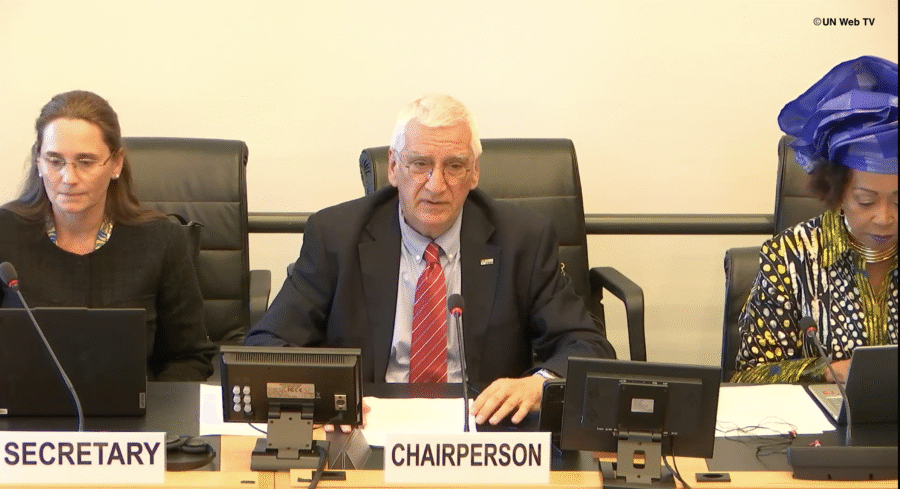
The Human Rights Council (HRC), consisting of 47 UN Member States, meets at least three times a year in Geneva and addresses a wide range of human rights issues in all parts of the world. IMADR monitors these sessions and, where relevant, distributes information about them.

■ Speaking for the Discriminated
As a substantial part of our advocacy work, IMADR presents written and oral statements to HRC while holding side events on specific issues during the HRC sessions, for the purpose of calling the HRC’s attention to human rights situations that IMADR is working on and urging it to take appropriate actions.
Other UN Human Rights Mechanisms

Related News

  • CERD 117th session summary: Burkina Faso, Cuba, Cyprus, Serbia, Slovenia, and Uzbekistan

    From 13 April to 1 May 2025, the UN Committee on the Elimination of Racial Discrimination (CERD) held its 117th session. During the session, CERD reviewed and adopted concluding observations on the reports of Burkina Faso, Cuba, Cyprus, Serbia, Slovenia, and Uzbekistan. Highlights of the session included: List of issues prior to reporting for Tonga was adopted, and follow-up reports from Albania, Argentina, Brazil, Italy, Qatar, and Turkmenistan were reviewed. Under its Early Warning and Urgent Action procedures, three statements were issued on the adoption of the “Death Penalty for Terrorists Law” in Israel, the overrepresentation of Indigenous children in Australia’s criminal justice system, and the political participation of Indigenous […]
    May 13, 2026
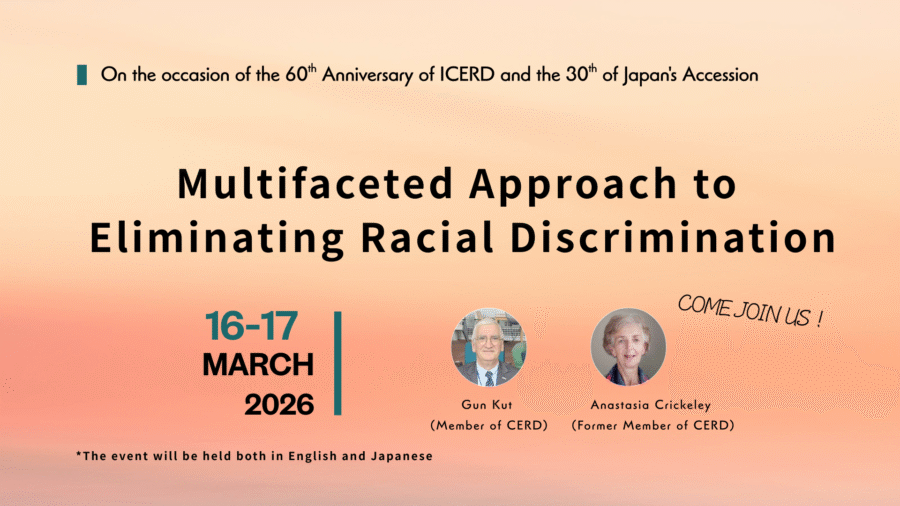
  • 【Event Recap】Symposium – Multifaceted Approach to Eliminating Racial Discrimination

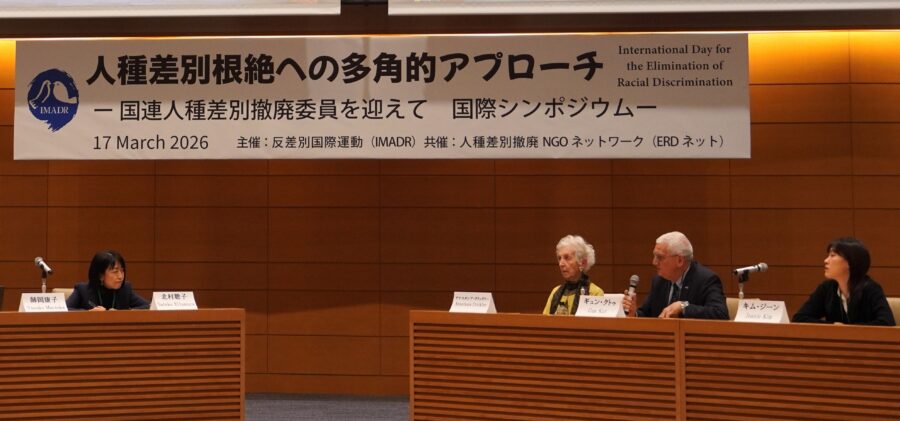
    It has been 30 years since Japan acceded the International Convention on the Elimination of All Forms of Racism and Discrimination (ICERD). Considering the little progress the implementation of ICERD in the country, IMADR organised International Consultation on 16 March and Symposium on 17 March, bringing together experts on ICERD as well as representatives from a Korean NGO and stakeholders, to explore ways to advance human rights in Japan. Focusing on List of Issues Prior to Reporting (LOIPR) adopted by CERD in December 2025*, the International Consultation explored ways to achieve and strategies to build a society free from racism. The Symposium focused on initiatives to eliminate racial discrimination at […]
    March 27, 2026
  • 【EVENT】Multifaceted Approach to Eliminating Racial Discrimination

    On the occasion of the 60th anniversary of the ICERD and the 30th anniversary of Japan’s accession, and welcoming the LOIPR of CERD to Japan, IMADR and partner NGOs jointly identify challenges we face in our work for the elimination of racial discrimination through the consultation with the Committee experts we invite, and make strategic plans for the next steps. It should give impacts and pressure to the Government in its preparation for its next periodic report to the Committee, to the politicians to work more on the issues of racism and discrimination and to the civil society to join us towards the elimination of racial discrimination. With Experts from […]
    February 17, 2026

Related Resources

TOP